It’s that time of year. The time when we reflect and reminisce over the last 365 days and conjure a list of goals and aspirations for the coming 365. This is the time where our hope for the future is as strong and resolute as it ever will be. As such it is the perfect opportunity to use the prospect of a fresh slate as a launching point to dream about the year ahead, refocus your energies and redouble your efforts. But in order to cement real lasting change with that reset of the calendar, you need more than just dedication and persistence. You need a plan to go the distance. So let’s go over some strategies for setting and realizing your ambitions this coming year.
Do set goals. Be specific.
New Year’s Resolutions, or goals as they’re known in other months, often get a bad rap – unfairly I say. The problem isn’t in dreaming up new challenges or pushing yourself in new directions. The problem is in not being explicit about what the endgame of that dream is. In order to set a plan to pursue your goal and know when you’ve succeeded, you need to know precisely what the benchmark is. So for example, instead of saying “I want to be a faster runner” what you need to say is “I want to improve my marathon time by 5 minutes.” Specificity tells you what you need to focus on to succeed. So if you want to improve your marathon time, you’d want to focus on marathon training. If you simply say, get faster, there’s no precise direction or course of action. Stay away from adjectives, stick to measurable clearly defined metrics, where there is no ambiguity about meaning.
2. Have many goals, both big and small.
There’s just one limitation you want to put on your goals and that is make sure it’s specific. Otherwise dream big and be bold! Only keep in mind that big goals take big time to accomplish. Huge PRs and big jumps in fitness can only come with consistency over the long haul. That may take 1 year to accomplish or even 5 years. The timeline is infinite but you will absolutely want some smaller goals to check off on your journey. What can you achieve in 1, 2 or 3 months? What milestones or practices can you solidify that will propel you towards that ultimate pursuit a year or more in the making? Think about the “little” things that add up. In running that’s usually the basics we often overlook, like getting enough sleep, spending time stretching and rolling, or doing core work. The flashy big goals may be what ultimately excites you, but making and checking off those small goals will provide the motivation to keep going and will set you on the path to further success.
3. Keep track. Build a network of accountability.
One of the major benefits of working with a coach is in having someone who is guaranteed to track your progress and hold you accountable to a plan. But even if you’re totally on your own in your endeavors and challenges, you will need a record of your efforts and a support system to succeed. There are many online options and apps where you can keep track of your progress, or if you prefer you can use spreadsheets and lists, or the calendar and dry erase board that hangs on your wall. Whatever you prefer, the apparatus is not as important as the ability to see it, daily and often. There is great value in a visual clue and frequent reminders. So if you go the digital route I recommend keeping it open at all times on your computer and programming regular calendar/alarm reminders on your phone. A human accountability network works similarly. Out of sight means out of mind, so if your network includes a running buddy or run club, make sure you schedule regular meet ups. You can also enlist the help of your significant other or best friend who isn’t training. Tell them your goals, share your progress and seek out motivation when your focus is flagging.
4. Don’t be afraid to fail or start over.
Lastly, give yourself grace. There’s no such thing as perfection. Especially when it comes to pushing yourself in new ways. Expect to be uncomfortable at times. Expect to have a few setbacks along the way. Meet these challenges head on. If you miss a few days, get right back into it as soon as you can. If you are short on time, make use of whatever you have. Bottom line, don’t let imperfection, excuses or fear of mistakes be a dealbreaker. The only way to create the desired habits and skills you want, is by doing – over and over again. Practice, invest in yourself, and take each day as it comes.
If you’d like further guidance to achieve your goals, consider my in-person or online virtual coaching options. Both include the flexibility and accountability you need. If you don’t see what you’re looking for or have further questions, please send me an email. Coachkrisrs@gmail.com I’d love to hear from you.
Two months ago I ran what was only my second race of 2020. In the now strange to contemplate alternate reality where life went according to plan – the one where the world wasn’t overtaken by a deadly pandemic – upon arriving at the halfway point of the year I was to have already completed 3 marathons, 2 half marathons, and some countless number of other shorter distance races that barely even register because they happen so frequently. Yet in these bizarre days of life in suspension, running any race, anywhere, in July of 2020 was quite extraordinary just by virtue of happening at all.
Therein lies the first of many takeaways from what COVID has brought to the fore: Never take anything for granted. Indeed, prior to this prolonged hiatus, racing had become less an event for me and more a default. Sure there were some notable exceptions, a few standouts in the crowd, but there is no doubt racing was regular enough to be routine. I had my pre and post race rituals down by rote, a goal or intention for each carefully considered, my schedule bent and maneuvered to accommodate training and travel. It was all second nature. Until the calendar was unexpectedly blank.
Even after I booked the race, a mere month in advance, I was only partly convinced it would actually occur. Inured to months of disappointment, a healthy skepticism seemed only prudent. Here too can be found another lesson. Doubt, uncertainty, and unpredictability are an inevitable reality of life but rather than let that be an obstacle, I believe in using it as an opportunity to embrace the present and practice a nimble adaptability where the future is concerned. After all isn’t that why you go out and train in all weather conditions, except of course those deemed unsafe? When has race day gone exactly according to plan? Surely when the starting gun goes off, your focus turns narrowly to addressing each moment as it comes. As we return to racing in the new normal, it’s important to be flexible and embrace change.
As much as I wanted to race, as much as I wanted to return to some sense of normalcy, it became apparent as I boarded the subway for the first time in months, there would be no erasing from my mind how different the world has become. Some differences are absolutely needed for safety. Such as an outdoor bib pickup and contactless aid stations. Some differences are mental. Such as the pre-race jitters you just can’t shake because what was once old hat now feels like starting over. Some differences are physical. Such as a constant awareness of where you are in relation to others and the ubiquity of hand sanitizer which you practically bathe in repeatedly. But even as the differences added up, some fundamental things remained the same.
The anticipation and sheer exuberance at hearing the countdown and the starting gun. The collective desire unspoken but nevertheless palatable, to push each other, push yourself, to bring out your best and to compete. The joy in feeling so abundantly alive as your heart pounds and you seemingly fly through the air. The excitement of seeing the finish line ahead. The pride in receiving a medal and satisfaction of having all those hours of training reach some cumulative and definitive peak then denouement. These are things for which there is no substitute. These are the reasons we mourned the absence of a seemingly trivial pursuit.
But in the face of this lingering absence I can report there is reason to hope. It is possible to hold a COVID safe race and race organizations are increasingly innovating, altering and adapting to make it happen. Naturally that does not mean every race can move forward in a COVID safe manner. Some races are too logistically complex, too expansive or too costly to effectively enact such measures. Each locality will have their own distinct timetable and requirements set forth by the local government who issue the permits. However, as more and more races occur across the country, there are some emerging commonalities you can expect to find when you return to racing.
Practices such as:
Severely capped participant numbers and on occasion participation limited to people from certain locales
Outdoor bib pickup, pre-assigned time slot bib pickup or a mailed only bib, with no in person pickup option
Signing of a pre-race COVID waiver attesting you have no symptoms or recent close contact with COVID positive persons
Contactless temperature taken upon arrival on race morning
Pre-assigned staggered start times, open rolling starts or extended start windows sometimes over the course of many hours
Fewer aid stations, limited volunteer support at aid stations, and completely contactless aid stations
Bare bones finish lines with pre-packaged to-go bags of food and drink
These are just a few of the changes race organizations are making to put on a safe event. But the most important element remains the diligence, compliance and awareness of each participant. By each of us working together, in coordination, we can ensure a safe return to racing.
For more details about NYC local races that have happened recently or are scheduled to happen soon, please see my previous blog post via this link.
July 18, 2020Rockapulco Runs 5k and Half Marathon, Rockaway Beach, Queens, NY August 27, 2020NYCRuns Lousy Shirt Race, Prospect Park, Brooklyn, NY August 29, 2020Druthers Helderburg to Hudson Half, Albany, NY September 11-12, 2020Old Forge Marathon & Half, Old Forge, NY September 17, 2020Running is Back 5k Series, Liberty State Park, Jersey City, NJ September 26, 2020NYCRuns Bat Out of Hellgate 5k, Randall’s Island, New York, NY September 27, 2020NYRR Pilot 4 Miler, Central Park, New York, NY
Summer is officially here and with it comes those dreaded salty, sweaty, fatigue inducing runs. You may feel drained more easily these days. You may find you can’t hit the same paces you could a month ago. You may begin to wonder why you’re running in the first place when you could instead be sitting with a cold drink in your hand, perhaps one with a cute little umbrella. Particularly in these first few days, you may find yourself confused by what’s going on with your runs. Have no fear, all this is perfectly normal and to be expected.
Let’s start out by diving in with a few facts. There are 3 main physiological processes at odds when it comes to your running performance in summer like conditions.
The first, physical exertion like running, raises your body’s core temperature. When conditions outside are already warm, your body struggles to keep your core temperature in check. In order to cool itself, your body diverts blood to your skin which induces sweat. Sweat evaporating off your body has a cooling effect and helps to regulate your core temperature, but this brings about a second conflict.
In diverting blood to your skin, you have less available to carry oxygen to your working muscles. Your muscles use oxygen to break down glucose and convert it into adenosine triphosphate or ATP, which is the body’s energy source. If your working muscles do not have enough oxygen or it is not delivered quickly enough via your red blood cells, they will convert the available glucose into lactic acid and your muscles will be forced to slow down. This is similar to what happens at altitude.
That brings us to the third process at play, sweat causes fluid loss which leads to dehydration. Lack of hydration causes your heart to work harder at pumping blood, because as you dehydrate your blood actually becomes thicker. This is called cardiac drift. More specifically that is when your heart rate increases while the intensity stays the same. You can counter some effects of cardiac drift simply by matching your fluid intake to your sweat rate. Extreme dehydration by contrast can lead to serious conditions such as heat stroke, whereby your body stops sweating completely and you can no longer regulate your core body temperature.
So in short, a high core body temperature, less blood available for your muscles and dehydration, are three of the physiological challenges brought about in summer like conditions that cause a decrease in running performance.
These facts should give some important insights to consider when you think about summer running. It’s not just the air temperature that plays a role in how you feel. Simply checking the weather forecast for the current temperature gives a good starting point for the effects on your performance but not the full picture.
For instance, studies have shown that your performance could be slowed by up to twice as much in hot humid conditions versus hot dry conditions even with the same heat index value. A dry heat, that is when humidity levels are below 40%, is easier to run in due to the efficiency of the body’s cooling system. In high humidity this system is stalled. Remember sweat evaporating is how your body is cooled, but when the air is already moist, it’s difficult for your sweat to be absorbed into the atmosphere. This in turn makes it feel even hotter over time and leads to a further increase in sweat rate, which then prompts greater dehydration. It’s a vicious cycle in hot humid air and one that is familiar to runners who live in the eastern United States.
The other thing you want to keep in mind as summer conditions progress and increase in severity, is that your body’s response is non-linear. Meaning you can’t assess a 10 degree difference in temperature or a 5% difference in humidity in the same way across the board. Both become exponentially more serious the higher the readouts go. In terms of what the minimum threshold is for slowing down, studies have shown that in marathoning it begins at a mere 60 degrees F (15.6 deg C).
There is a bright side to all this however. Your body not only acclimates to running in the heat, it actually adapts over time on a physiological level. Studies show that with 2 weeks of consistent summer running your body adapts, and 75-80% of those adaptations come within the first 4 to 7 days. Those adaptations pay dividends come fall.
“Research has found that there are many positive adaptations that the body makes in response to the heat, including increased sweat rate, increased blood plasma volume, reduced overall core temperature, increased oxygen delivery to the muscles, reduced blood lactate and increased skeletal muscle force,” explains running coach Angie Spencer, RN, owner at Marathon Training Academy. “All of these adaptations work together to make your body more efficient at cooling, which can pay off when temperatures start cooling down.”
In the meantime, it is important throughout these summer months to make the necessary adjustments and train wisely. The risks associated with not taking proper precautions can include potentially serious conditions, such as: severe dehydration, heat cramps, heat exhaustion and heat stroke. In order to stay healthy and avoid any truly unpleasant physical effects, you want to take a few steps before even stepping out the door.
Run by feel rather than by a set number on your watch. A hard effort in the summer months will not match the same pace and distance as a cool fall day. For more details on running by feel, please visit this detailed explainer.
Hydrate early, often and always after. Pre-hydration is key because it is difficult to keep up with fluid loss once you start, especially in humid conditions. So you want to start hydrating the day before and also in the morning before you lace up. If you’re planning to be out for longer than 45-60 minutes, you will want to hydrate during your run as well. Then once you finish be certain to continue replenishing those fluids. You’ll need a balance of electrolytes and water to compensate for all that’s lost in your sweat. If you’d like to calculate your personal hydration rate, which is unique to each individual, you can do so by weighing yourself prior to your run and then immediately after. You should be drinking 16 ounces of fluid for every pound lost.
Stay in the shade when possible and go out either early in the day or late in the day. Direct sunlight will further sap your energy so if there’s areas with cover, it’s best to head there to run. The middle of the day, when the sun is highest in the sky, will always be the hottest period of any day so it’s best to avoid the hours between roughly 12 and 4 pm.
Wear light colored breathable clothing. Synthetic fabrics, not cotton, will keep the sweat from being absorbed by your clothes, trapped against your skin and weighing you down. Look for technical fabrics that wick the sweat away. Light colors reflect more light and will therefore, be cooler than black or other dark colors.
A few other little tricks that can help are pre-cooling, pouring cool water on your head while you run, and drinking cold icy drinks during strenuous exercise. Precooling can be done in a number of ways either with a cooling vest or by putting ice on your neck and head or even a cold shower before you go out. Occasionally in a hot race you might see sprinklers or volunteers handing out ice, make sure you take advantage of these opportunities. All these tricks are based on the same principle, which is helping to keep your core body temperature low for as long as possible and/or lower your core body temperature, which alleviates some of the strain on your heart.
If you’d like to know in advance the precise difference in pace depending on certain conditions, there are various calculators that do just that. You can also use these calculators after the fact, as a guide to determine just how much your race performance was impacted by race day conditions.
The Jack Daniel’s vDOT calculator uses just the air temperature as a gauge. As we’ve discussed above, humidity plays a big role in how hot your body actually feels and performs, but this calculator will tell you exactly what the temperature effect is per mile.
The Runner’s Connect calculator uses dew point and air temperature. Dew point is often considered a more accurate way of measuring the effects of humidity when combined with hot temperatures.
The calculator Luke Humphrey Running uses includes temperature, humidity and even wind speed.
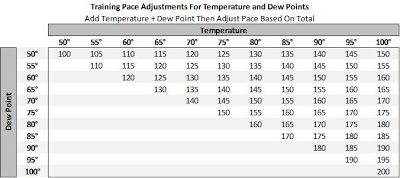
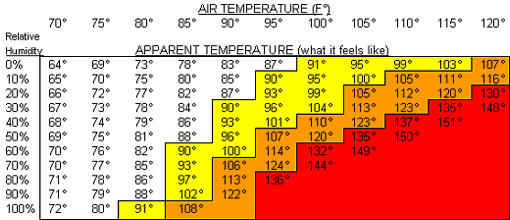
For an overview assessment of how your run performance is affected, there are charts that provide a basis. I’ve included three below. The first chart uses just dew point, the second chart combines dew point and air temperature, and the third chart combines relative humidity and air temperature to show when conditions are potentially dangerous. If you find yourself faced with dangerous conditions outside, I recommend taking that day off – or if your situation allows running indoors on a treadmill.
Knowing what to expect and preparing yourself to best tackle each day’s challenges will make all the difference these next few months. So don’t skip your run for that cold umbrella drink, just save it for after!
Add together air temperature and dew point and see where the combined number places you: 100 or less: no pace adjustment 101 to 110: 0% to 0.5% pace adjustment 111 to 120: 0.5% to 1% pace adjustment 121 to 130: 1% to 2% pace adjustment 131 to 140: 2% to 3% pace adjustment 141 to 150: 3% to 4.5% pace adjustment 151 to 160: 4.5% to 6% pace adjustment 161 to 170: 6% to 8% pace adjustment 171 to 180: 8% to 10% pace adjustment Above 180: hard running not recommended
The above are the pace adjustment percentages to use for continuous runs. For repeat workouts such as 400’s 800’s, or mile repeats, I recommend using half of the continuous run adjustment as the body has a chance to cool somewhat during the recovery between repeats.
Apparent Temp
Heat Stress Risk with Physical Activity
90° – 105°
Heat cramps or heat exhaustion possible
105° – 130°
Heat cramps or heat exhaustion likely, Heat stroke possible
Initially I had no intention of weighing in on covid precautions and outdoor exercise. After all I’m not a scientist, epidemiologist, virologist or medical doctor. I do not have a background in public health. I make no claims to be an expert or specifically educated in any of those fields. However, I feel the need to impart a little clarity because of comments I’ve seen and posts shared by runners in multiple online forums. Many of which border on a slight misunderstanding of the science but occasionally some cross over into outright misinformation.
Naturally in times of chaos and uncertainty we search for answers. As human beings, we want to know that what we are doing is safe and right. As runners, we want to know that our actions are without risk. The truth of the matter is, even in normal circumstances, experts don’t have all the answers to every question and in life there’s no such thing as an absence of risk. But there is comfort to be found in the information we do have at our disposal. The principle question, is it safe to go about running and training outside in the midst of a respiratory pandemic, has been answered multiple times with a resounding yes.
So I will instead focus here on some misconceptions primarily stemming from incorrect or unproven assumptions about how the virus is spread. The goal in safety should be maximizing precaution by focusing on what is a real threat to your health. Going above and beyond those precautions is of course not a bad thing, but hysteria and paranoia over theories that have no scientific backing, ultimately does more harm than good. Harm such as pulling our attention away from the measures that really make a difference, stoking fear where its unwarranted and needlessly complicating or confusing every action to the point that none is taken.
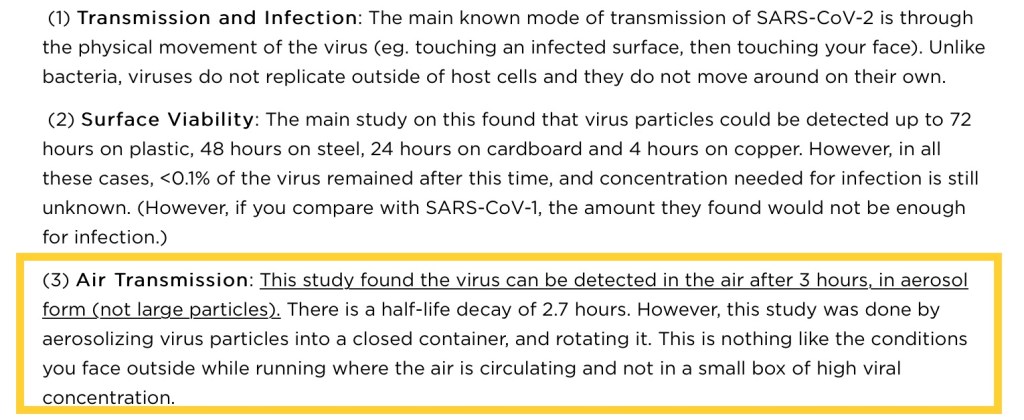
I’ve compiled here 5 articles and a Facebook post from a pathologist. I invite you to read each in their entirety, but I’m highlighting here specific sections that I think offer clarity and dispel myths on how the virus is spread, with a particular focus on outdoor running. These selections all come from different experts in the field but you’ll notice there is a great deal of overlap and agreement among them. That, I believe, speaks to the credibility. I have also gone to considerable lengths to abstain from offering my opinion. Instead, I hope you will read and draw your own conclusions.
The first article I’m including, was posted in the Oiselle blog and I believe, it is the most comprehensive on the topic. As such, if you’re only going to read one thing today, I’d encourage you to read this full article. To do so please go here, but for those who desire the cliff notes version, here are some highlights:
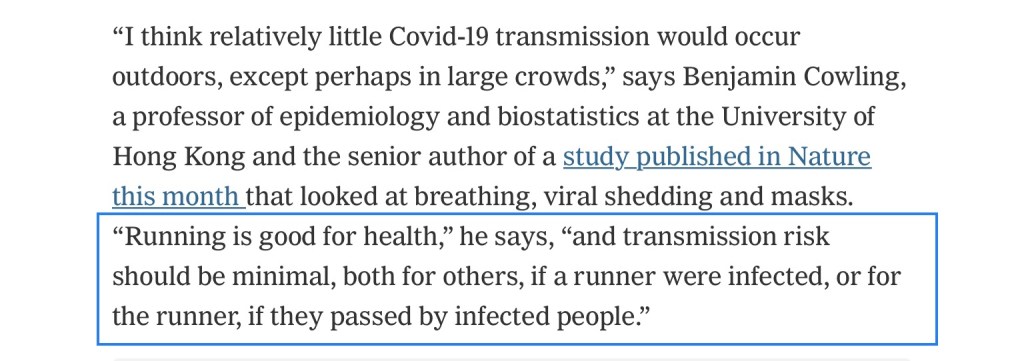
The second article published in the New York Times on April 1st, outlines why virus risk must be considered from the lens of viral load. The full article is linked to here. A highlight from:
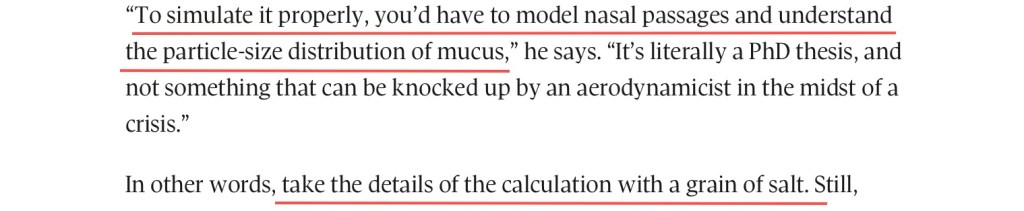
The third article appeared April 8th in The Globe and Mail, written by Alex Hutchinson, well known and well regarded author of the novel Endure. It specifically discusses the incredibly flawed Medium post that was widely shared recently and loosely based on an experiment from Bert Blocken, an expert in aerodynamics. The full article by Hutchinson can be found here. A small cursory highlight:
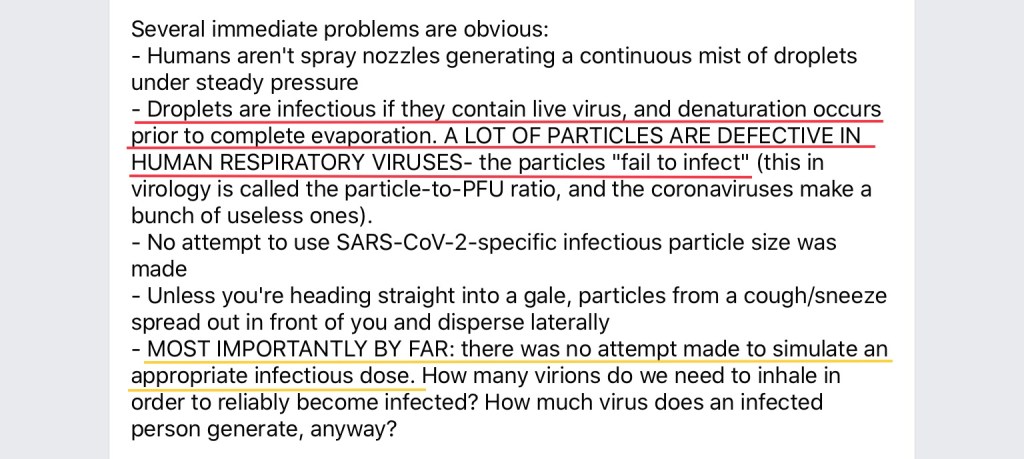
There’s another such take on the so called Medium post/Bert Blocken “study” that surely found its way into every running group on social media without peer review or so much as a shred of informed and considered evidence. This take was posted to Facebook by Dr. Jennifer L. Kasten, MD, MSc (Oxon), MSc (London). To read the full post please go here. A small highlight:
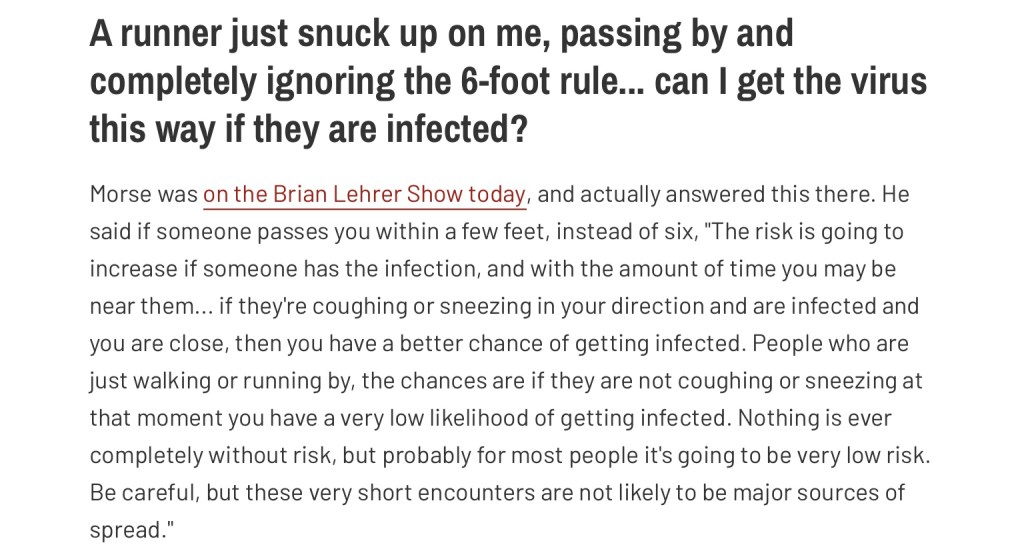
The fourth and fifth articles are written Q&A style based on interviews with epidemiologists. This one from the New York Times and this one from Gothamist. Two highlights, one from each article:
None of this is meant to downplay the seriousness of the virus, nor is it intended to advocate for an abdication of proactive measures towards safety. What I hope these insights provide is some guidance on where to focus your precautions in these challenging times. Please always run solo or only with a member of your immediate household, keep your distance from others as much as possible, don’t touch your face and wash your hands frequently. As time passes, I will endeavor to update this post or simply compose a new post when any new information becomes available that has a scientific consensus. Until then, stay safe and keep running!
Ever since the cancellation of the Tokyo Marathon in mid February, marathoners have been deluged with such notices from other races, coupled with plenty of postponements from the spring to the fall season. Second only to the question of when will races return, the nagging thought most on runners minds is, what will all this scuttling and shuffling mean for 2021 Boston Marathon registration? As with most questions regarding the future these days, there are far too many unknowns to make an accurate prediction. But we can use the information we currently have to draw a few conclusions and to refine our questions.
In order to determine the all important Boston cutoff, one must first consider the numbers. Despite the fact that many races from mid-March to June, at this writing, will not occur, the drop in BQs is not as significant as you might assume. According to findmymarathon dot com, a website that tracks BQs earned at American and Canadian races, the total number of BQs for the 2021 year thus far is 28,226. That’s a drop of a little over 3,000 when compared to the prior year. However, the race with the highest number of Boston Qualifiers year after year is the Boston Marathon and in 2019 that race alone earned 8,878 people a BQ. The BAA has already guaranteed that the September 14th race, should it happen, will be eligible for 2021 registration. Meaning it is quite possible that race could largely make up for any absences in other races.
Of races in the top 20 with the highest number of Boston qualifiers, based on data from last year, four have so far been cancelled. Those races are (in order of their total) Grandma’s Marathon (#6 with 1,072), Mountains to Beach Marathon (#10 with 542), Revel Mount Charleston (#16 with 401), and the Eugene Marathon (#19 with 358). Qualifiers combined for all four of those races, again based on last years numbers, total 2,373 – far short of Boston. In fact, all four of those races combined do not equal either of the top two Boston Qualifying races that have already occurred for 2021 registration. Those fall 2019 races are the Chicago Marathon and the NYC Marathon, with 5,787 and 4,934 qualifiers respectively. CIM, third on the list for 2021 qualifiers, comes in just shy with 2,177 Boston qualifiers. That goes to show just how great an impact a single large race can have, particularly those with highly competitive fields, when it comes to Boston Qualifying numbers.
Many large international races have a big impact as well, but their numbers are excluded from the data collected from websites such as findmymarathon. Consider, just one example, the Berlin marathon, which had 44,065 finishers at the September 2019 race. If you assume a mere 5% earned a BQ, that would be 2,200 people. On a flat, fast course with favorable conditions such as Berlin 2019 that’s a very conservative estimate. Indeed comparable fast competitive races such as, the Houston Marathon, the Philadelphia Marathon and the Indianapolis Monumental generate a much larger percentage of their field to Boston qualifiers on a consistent basis. The percentages for these race for the 2021 and 2020 qualifying years are Houston 13.8% – 12.5%, Philadelphia 11.4 – 11.1%, and Indianapolis 18.1 – 18.2%.
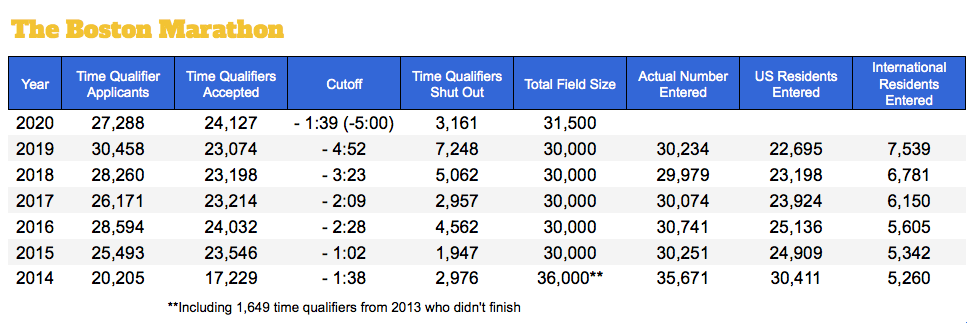
Moreover with marathon participation in other countries increasing significantly in recent years and the appeal of runcations for Americans, its clear omitting international qualifications from the known total leaves a large blindspot for cutoff prediction. Particularly as the numbers show that international residents have over the years become a larger pool of Boston Marathon participants. For the year 2014, international residents made up just over 5,000 of the total participants. As of 2019, that number had grown to 7,539 and no doubt 2020 is even larger still, although that data has not been released yet. But you can’t look ahead to 2021 without considering how the corona virus outbreak in the United States, which has effectively shut down its borders, will effect international participants. Will international interest wane due to concerns about traveling abroad? Will other countries, eager to keep the virus at bay on their shores, allow their citizens to travel here even if runners do qualify and intend to apply?
Of course not everyone who qualifies for Boston will decide to register for a spot and there’s no way to know what that number is until registration for the year closes. However, if you look at past data as precedent, you’ll see the numbers steadily increased since 2013, the year of the bombing. It was only last year when the BAA tightened the time standards by 5 minutes, that a slightly smaller number of applicants applied for a qualifier spot. But even with a dip in the applicant numbers, 3,131 runners were shut out for the 2020 race and a cushion of 1:39 was needed. Had the BAA not expanded the field size to stunt some of the blow, the cut off would have been closer to 2 minutes and many more people would have been shut out. That begs the question, will the newly expanded field be the expectation for the upcoming 2021 race?
The 2021 race is supposed to be the 125th anniversary of the Boston Marathon. Anniversary races tend to draw more interest and prior to the multitude of changes brought on by the corona virus, the 2021 race was no different. But again the anniversary date is contingent on the September 14th race occurring. The other question brought on by a possible cancellation of the September race is what the BAA might do with participants who were registered to run, but who opted not to take the refund which is currently being offered. If September 2020 Boston runners are given a deferral that would see openings for new 2021 time qualifiers plummet. Even a large expansion of the field to numbers such as those seen in 2014, would do little to mitigate that conundrum.
So while there are numerous factors that impact the Boston Question, such as whether any other marathons happen this summer, the interest from international runners in the face of pandemic or what the total field size will be. I believe the largest mystery of 2021 Boston Marathon registration, hinges on the 2020 Boston Marathon, currently scheduled for September 14th.
No doubt you’ve heard the phrase, its a marathon not a sprint. The analogy fits in many different contexts, shorthand for you’re in for a long haul. Well what the world is facing in the corona virus is a marathon. Its a marathon that no one registered for, but which we’re all entered into regardless. As we collectively struggle to find and reach the finish line, its we, as runners, who can use the lessons of training and racing 26.2 miles to lead and offer perspective for those who have never participated in such an endeavor. We are endurance athletes. We’re built for this.
Endurance – noun: the ability or strength to continue or last, especially despite fatigue, stress or other adverse conditions; stamina
As any marathoner will tell you, the road is paved with bumps and obstacles. Its accepted, built into our psyches. There will come a point when your mind says stop. But you must continue. The corona virus brings plenty of adverse conditions: lockdowns, mass unemployment, uncertainty, sickness, even death. Regular life as we know it has fundamentally changed. It would be easy to let such conditions paralyze you. To stop. Let fear win the day. But you don’t finish a marathon by quitting when challenge arises. Instead you persevere – and the reason you can is because you prepared and adapted.
The world’s marathon is no different. Race day is the end of a journey. Its the culmination of many weeks and months of hard work. Along the winding road to the start line you spend hours each day, building fitness and strength. Week by week you grow your stamina. The weekend long run starts at 8, 9, 10 miles till eventually you’re running 18, 19, 20 miles at a time. As the weeks pass and training continues, your body learns how to deal with each new challenge. Its tested, then it learns and adapts. Over time there are physiological changes. On a cellular level you are transformed. By the time you show up to the start line, you are armed with a plan, ready for whatever pitfalls might lie ahead and committed to putting one foot in front of the other until you cross that finish line.
The world’s marathon is not the race you had on your calendar for this spring. But it is the race of our lifetimes. To endure, we must prepare and adapt. In doing so we will call upon the skills that are second nature in marathon training. Concentrating on both the immediate and the distant future. We will certainly be tested along the way. For it is only through testing that you learn. So we must continue ticking off one mile at a time, not knowing exactly when the urge to quit will come, but knowing that no matter what the future holds, we have the strength to carry on.
Let’s use what we know best to inform our decision making in these difficult days and keep ourselves in the best shape for the challenges that lie ahead.








 Coach Kristyn R. Smith